Transform Your Outdoor Space: The Ultimate Guide to Paver Patio Installation
Creating a beautiful and functional outdoor space starts with the perfect foundation, and nothing beats the elegance and durability of a paver patio installation. A well-designed patio not only enhances your home’s curb appeal but also provides a versatile area for entertainment, relaxation, and family gatherings. Whether it’s for hosting summer barbecues or enjoying peaceful evenings outdoors, having a professionally constructed patio can dramatically improve your quality of life while boosting property value.
In this guide, learn why paver patio installation is an excellent choice and how to ensure a smooth process in constructing the patio of your dreams.
Why Consider Paver Patio Installation?
The popularity of paver patios has surged in recent years due to their versatility and lasting durability. Unlike wood decks or poured concrete alternatives, paver patios are easy to customize and maintain while offering greater aesthetic appeal.
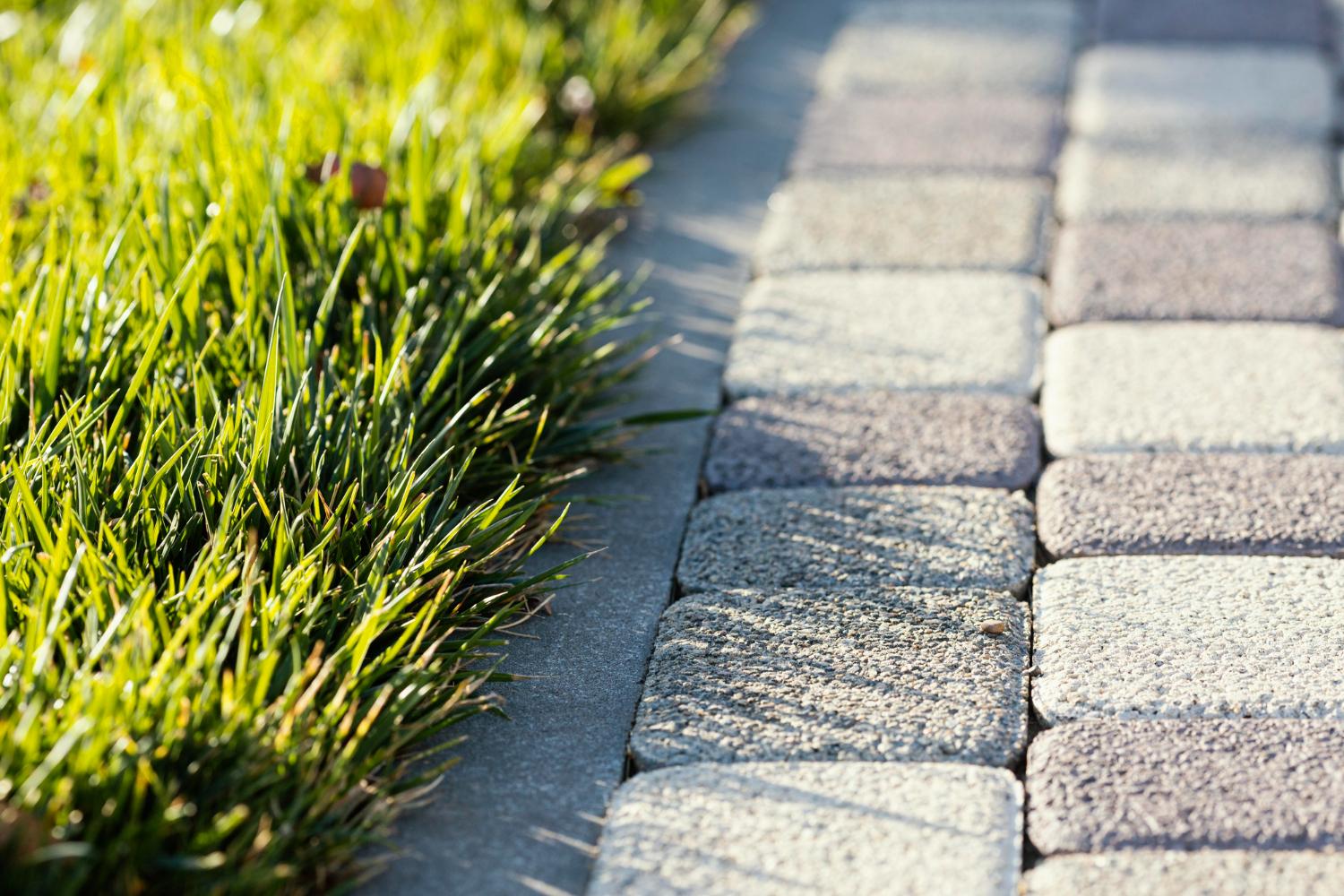
Paver patios are constructed with individual blocks, giving homeowners the flexibility to design intricate patterns, work with unique layouts, and incorporate custom features like fire pits or seating walls. Additionally, these materials are less prone to cracking under extreme weather conditions, making the investment worthwhile in the long run.
Data from the National Association of Landscape Professionals indicates that patios can yield over a 50% return on investment, especially when high-quality materials like pavers are chosen for the task.
Key Steps in Patio Construction
The success of a patio project lies in proper planning and execution. Patio construction demands precision and a focus on foundational elements, making it crucial to work with experienced professionals or take a thorough DIY approach.
- Site Preparation
Begin by evaluating the area where the patio will be installed. Remove existing vegetation, utilities, or debris and level the ground as a base for the construction process. - Choose Your Pavers
Selecting the right pavers is critical. From concrete pavers to natural stone and brick, the choice depends on personal style, usage needs, and climate compatibility. - Laying the Foundation
A compacted gravel base ensures long-term stability and prevents shifting. Add a layer of sand on top, which acts as a cushion for the pavers during placement. - Placement and Finishing Touches
Carefully lay the pavers before securing them with polymeric sand. Then, seal the installation to protect it from stains and maintain its vibrant appearance.
Benefits of Paver Patios Over Other Materials
In comparison to alternative options like poured concrete, building with pavers offers significant advantages. For one, pavers are more resistant to cracking as they allow for flexibility in the joints. Furthermore, if damage does occur, it is easier to replace one or two pavers than to repair a full concrete slab.
Other advantages include improved drainage, a wider selection of colors and textures, and the ability to easily incorporate lighting or water features during patio construction. This makes installing pavers the preferred choice for those wanting to blend beauty with functionality.
Final Thoughts
Choosing paver patio installation is not just about enhancing your outdoor space; it’s about creating an area that combines practicality with durability, enhancing your quality of life. Proper planning, high-quality materials, and attention to detail will ensure a stunning patio that stands the test of time.
When embarking on your next project, remember that customizing a patio provides limitless possibilities to bring your vision to life. Whether you’re starting from scratch or renovating an existing space, a well-executed paver patio will leave a lasting impression.