What Do You Need to Know About Poly B Plumbing?
Poly B, short for polybutylene, was a plastic piping material used extensively in residential plumbing from the late 1970s to the mid-1990s. It was promoted as a cheaper, more flexible alternative to copper piping. For a time, it was embraced by builders and homeowners alike due to its ease of installation and lower cost.
However, time revealed that Poly B plumbing came with critical drawbacks, many of which still affect homes today.
Why Was It So Popular?
Its main appeal was affordability and flexibility. Poly B pipes could be installed quickly, reducing labour time and expenses. They also performed reasonably well under normal water pressure conditions, which made them suitable for large-scale housing developments. Their grey or blue colour became a common sight in basements and utility rooms throughout the 1980s and 1990s.
Common Issues with Poly B Pipes
Over time, homeowners began to report pipe failures. The problem wasn’t always immediate but typically occurred after years of use. Poly B pipes have a tendency to degrade when exposed to chlorine in municipal water, which leads to cracks, leaks, and, in severe cases, catastrophic water damage. Additionally, the plastic fittings originally used in some installations were prone to cracking and failure.
How to Identify Poly B in Your Home
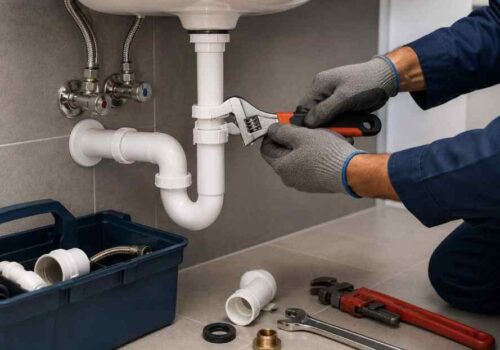
If your house was built between 1978 and 1998, it might have polybutylene pipes. These are usually grey but sometimes blue or black, and they’re often found near water heaters, under sinks, or coming out of walls in utility rooms. A professional plumber can confirm their presence and assess their condition to determine whether replacement is necessary.
The Legal and Insurance Perspective
Because of the historical problems with these pipes, many insurance companies classify homes with poly b as higher risk. This may result in higher premiums or, in some cases, denied coverage altogether. While not legally banned in all regions, the industry largely phased out polybutylene use due to mounting concerns over durability and liability.
Replacement Options and Costs
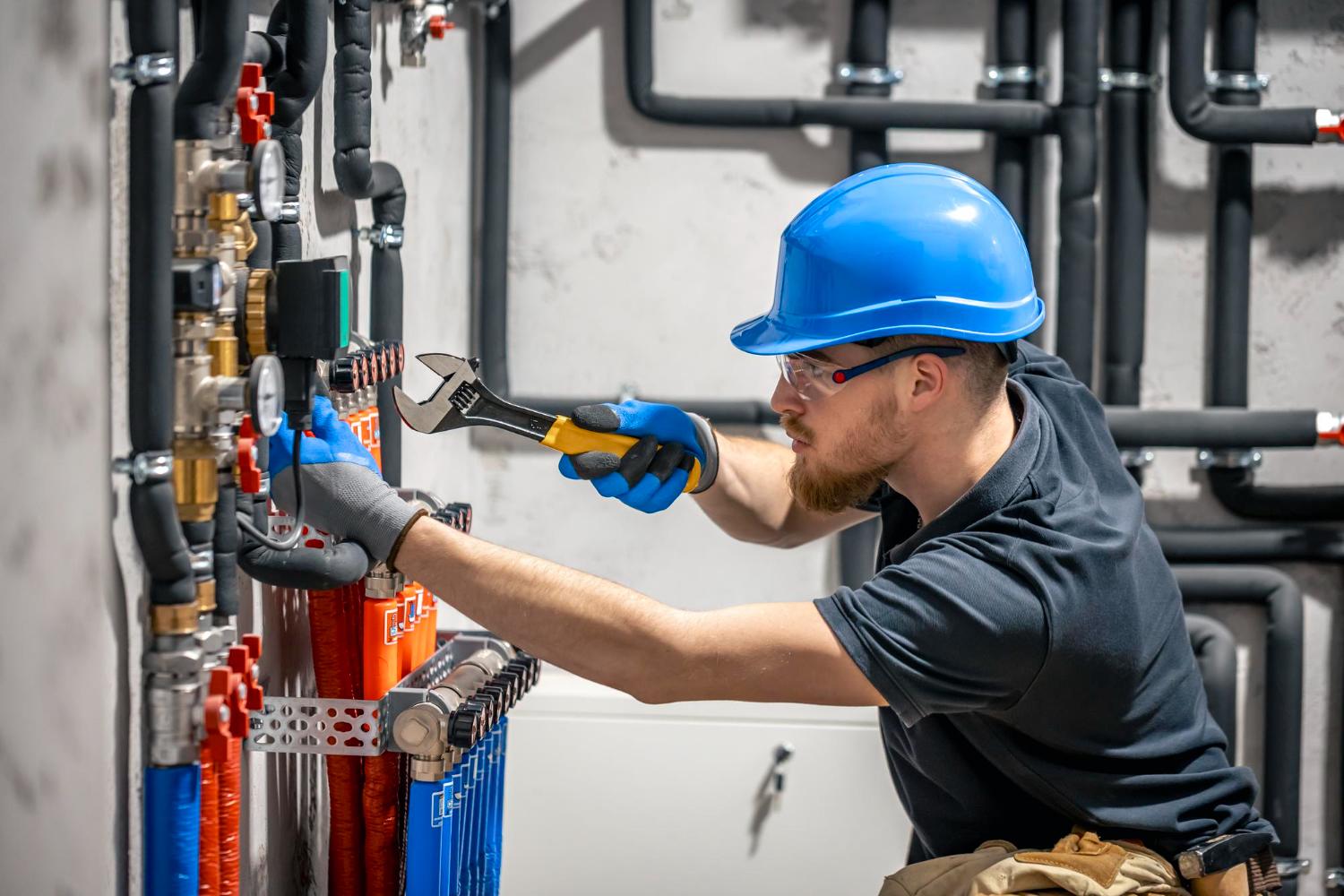
If you own a property with Poly B pipes, consider replacing them with more reliable alternatives such as PEX or copper. The cost of replacement can vary depending on the size of your home and the complexity of the emergency plumbing layout. However, investing in replacement may save you from future water damage and improve your home’s resale value.
Is It Time to Replace Your Poly B Plumbing?
Given the potential for leaks and insurance complications, understanding the risks associated with poly b plumbing is essential for homeowners. Proactively replacing ageing systems not only provides peace of mind but also helps preserve your property in the long run.