The Smart Guide to Retrofit House Insulation
For many Australian homeowners living in older properties, energy inefficiency and poor thermal performance are ongoing concerns. These homes often lack adequate insulation, leading to high energy bills and uncomfortable indoor temperatures throughout the year. Retrofit house insulation offers a practical and impactful solution, upgrading existing buildings to meet modern efficiency standards without the need for complete structural overhaul.
Why Retrofit Insulation Matters?
Homes built before the early 2000s often fall short of today’s insulation expectations. Without sufficient thermal barriers, heat escapes in winter and infiltrates in summer, forcing heating and cooling systems to work harder. Retrofitting addresses these inefficiencies by adding or improving insulation in walls, ceilings, underfloors, and even internal cavities, significantly improving comfort and reducing energy consumption.
Assessing the Existing Structure
Before any retrofit work begins, a thorough assessment is essential. Professionals will inspect your home’s current insulation, if any, and identify areas with thermal leaks using infrared scanning or blower door tests. This analysis helps determine the most effective materials and application techniques suited to your property’s age, structure, and location.
Material Choices and Performance
Various insulation materials are used in retrofit applications, including fibreglass batts, polyester rolls, cellulose, and rigid foam boards. Each has different thermal properties, moisture resistance, and installation requirements. The choice depends on accessibility, budget, and environmental preferences. For hard-to-reach wall cavities, injectable or blown-in options are particularly useful as they minimise disruption to existing finishes.
Energy Efficiency and Rebates
Improved insulation can reduce household energy use by up to 40%, lowering utility costs and environmental impact. In many states, government incentives or rebates are available for those undertaking energy-efficient home upgrades. These can offset installation costs and encourage homeowners to invest in long-term sustainability.
Installation Challenges and Solutions
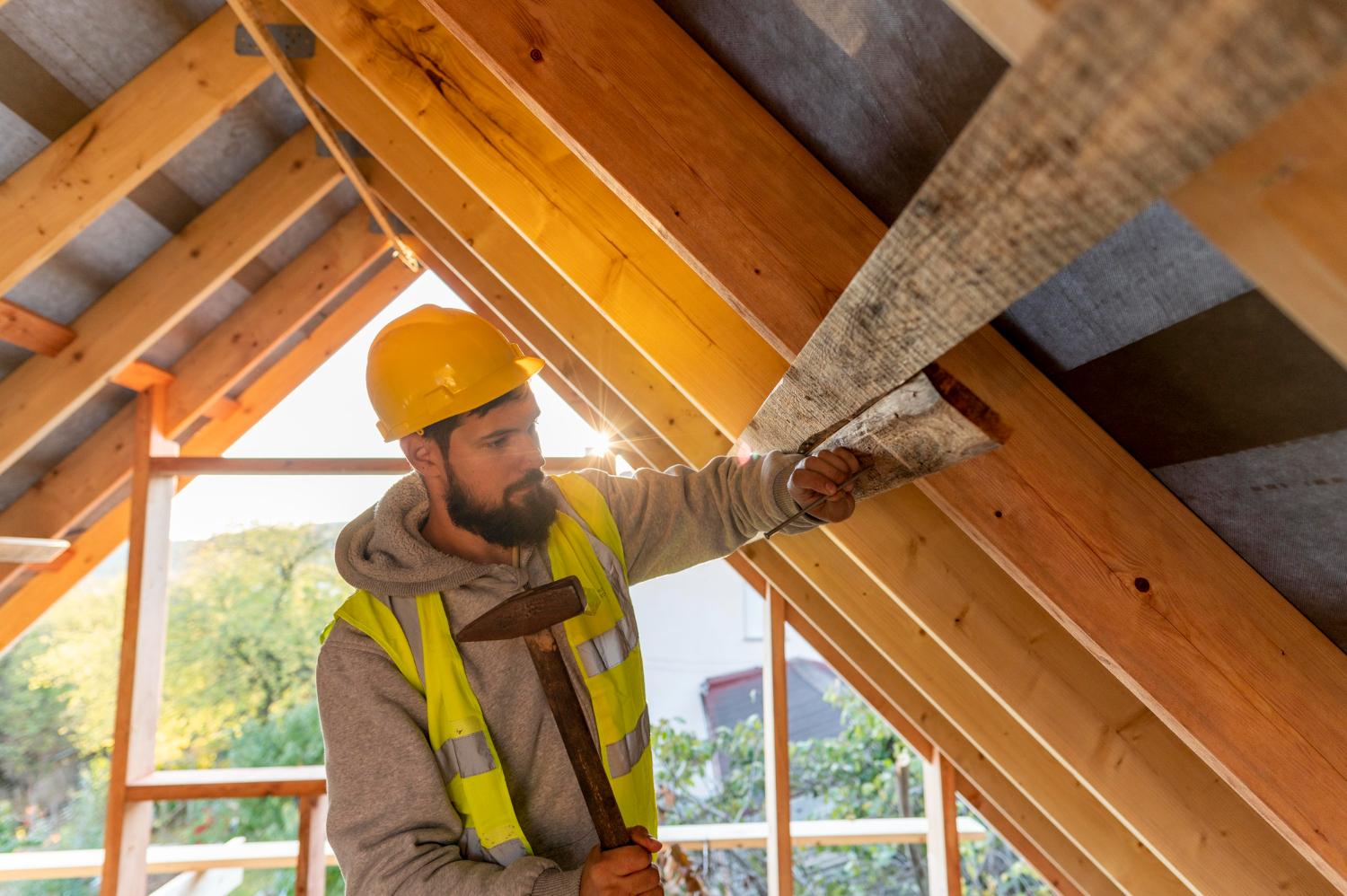
Unlike new builds, retrofitting often involves working around existing fixtures, wiring, and wall finishes. Skilled installers know how to navigate these obstacles while maintaining safety and compliance. In some cases, partial wall removal or access through roof spaces may be required, but professional teams can minimise disruption through careful planning and non-invasive techniques.
Improved Indoor Air Quality and Acoustic Benefits
Alongside thermal improvements, retrofitting insulation can enhance indoor air quality by sealing gaps that allow dust, allergens, or pollutants to enter. It also offers soundproofing benefits, reducing external noise and improving internal acoustic comfort, especially valuable in high-density or traffic-prone areas.
Whether you’re aiming to reduce energy bills, improve comfort, or boost your home’s market appeal, retrofit house insulation is a strategic upgrade worth considering. With the right plan and expert support, retrofit insulation transforms older homes into modern, efficient, and comfortable living spaces.